
Heating, Ventilation, and Air Conditioning (HVAC) systems are essential for maintaining indoor comfort, air quality, and energy efficiency in both residential and commercial spaces. Whether you are building a new property or upgrading an existing system, understanding HVAC equipment helps you make smarter decisions.
An HVAC system typically includes heating units (furnaces or heat pumps), cooling units (air conditioners), ventilation systems (ductwork, air handlers), and control systems (thermostats). Each component plays a vital role in regulating temperature, humidity, and airflow throughout the building.
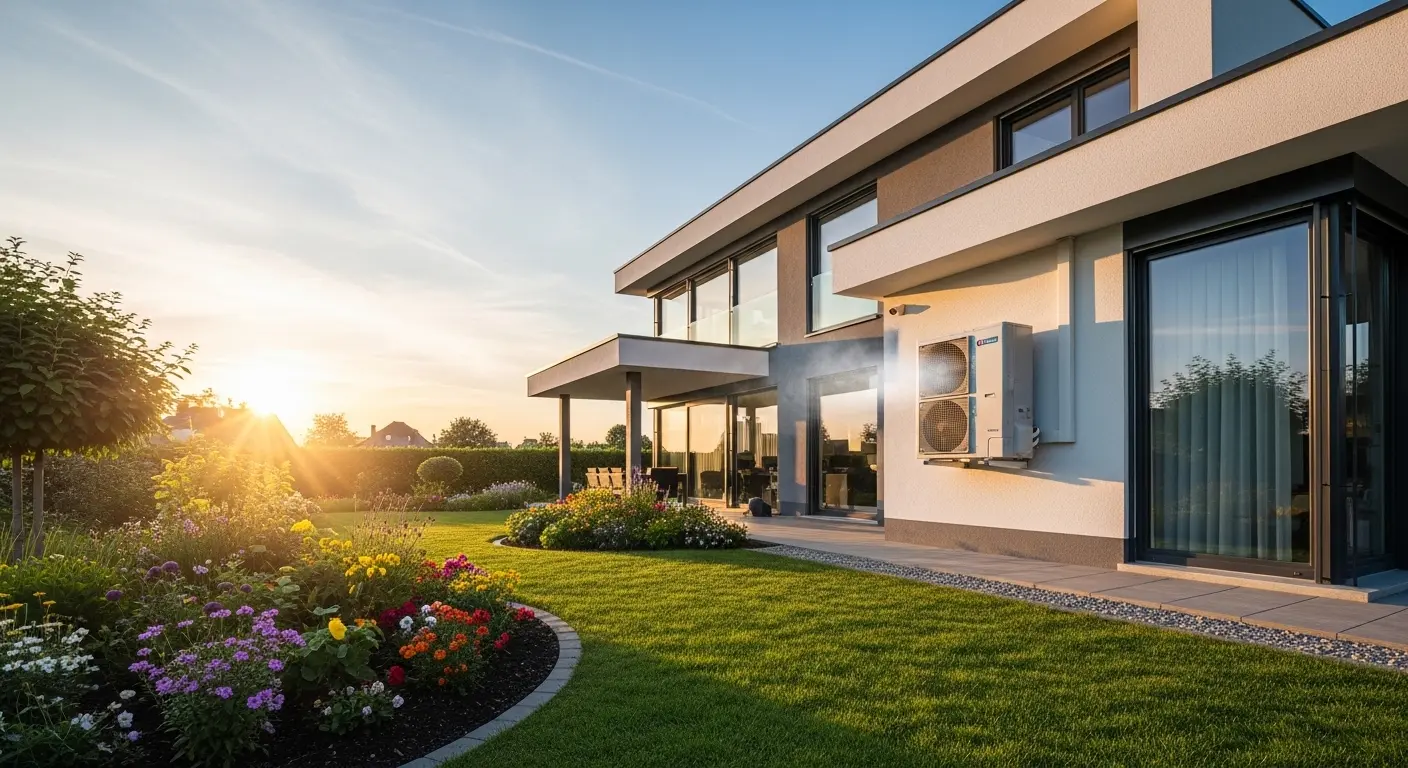
Air conditioners remove heat from indoor air and release it outside, keeping interiors cool during hot weather. Furnaces generate heat using gas, oil, or electricity to warm indoor spaces during colder months. Heat pumps are highly efficient systems that provide both heating and cooling by transferring heat instead of generating it.
Ventilation systems improve indoor air quality by circulating fresh air and removing pollutants, allergens, and excess moisture. Modern HVAC systems also integrate smart thermostats that allow remote temperature control, scheduling, and energy monitoring.
When choosing HVAC equipment, consider factors such as building size, insulation quality, climate conditions, and energy efficiency ratings (like SEER for cooling systems). Proper sizing and professional installation are critical to ensure optimal performance and long-term reliability.
Investing in the right HVAC equipment not only improves comfort but also reduces energy consumption and operational costs over time.